


Rejuvenation and biostimulation
What evidence supports platelet-rich plasma for skin rejuvenation?
PRP is studied for skin quality, but outcomes are not universal. Explore what one trial and a critical evidence review actually show.
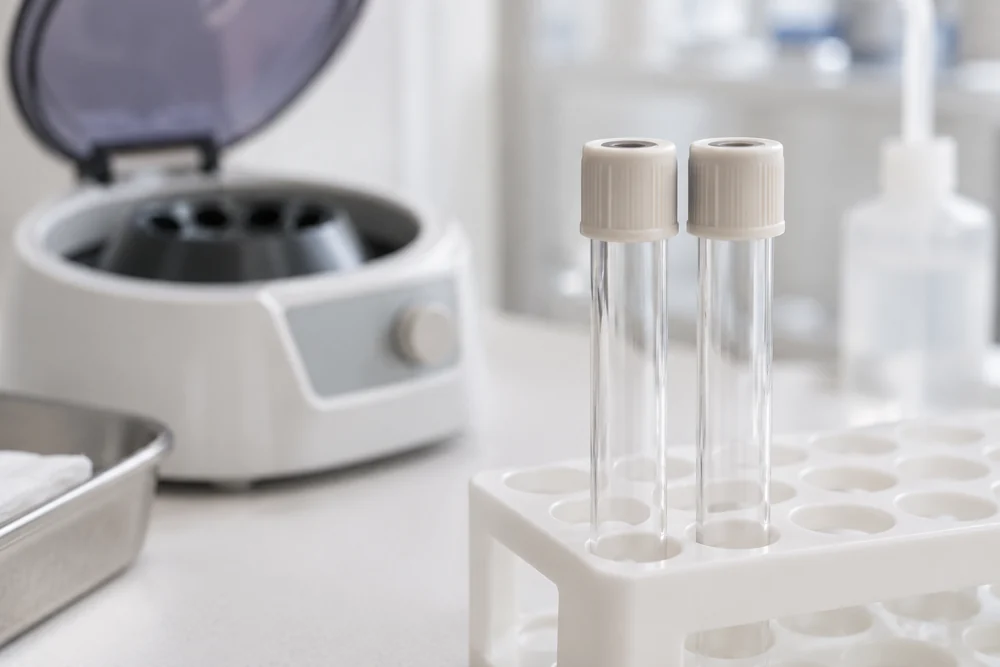
What PRP means
Platelet-rich plasma is prepared by processing a person’s own blood. Its use in facial rejuvenation is studied for possible changes in skin quality. Being derived from the body does not establish that every application is effective or risk-free.
A trial with nuanced findings
A randomized trial compared PRP with saline in opposite cheeks of the same participants. Some patient ratings favored PRP, but assessments were not consistently significant. This distinction avoids turning an interesting signal into a general promise.
Why uncertainty remains
An overview of reviews found limited evidence and methodological problems across much of the literature. Studies used different preparations, comparisons and follow-up periods. It is therefore inappropriate to promise a precise improvement for everyone or apply every publication to every protocol.
What to ask before deciding
Ask which concern is being addressed, what evidence supports it and how progress will be documented. Discuss alternatives and aftercare. A responsible proposal can explain uncertainty without minimizing it; choice should follow assessment rather than treatment popularity alone.
A critical reading
If shown a study, ask what it measured and whether its participants resemble your consultation context. A research finding requires interpretation rather than translation into a personal guarantee.